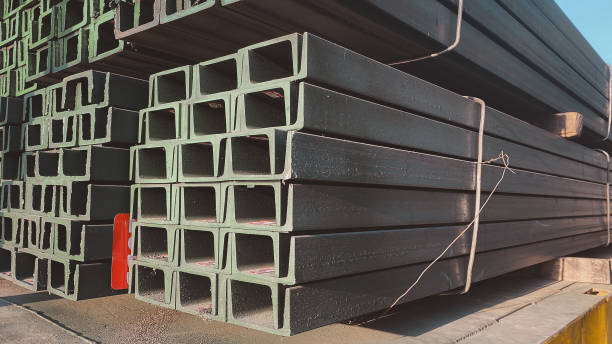
I didn’t think I’d ever write almost a thousand words about steel, but here we are. The funny thing is, once you start noticing construction, you can’t unsee it. Flyovers, small factory sheds, even those half-finished buildings that look stuck in 2012. Somewhere inside all that concrete chaos, Ms channal is doing the boring, unglamorous work of holding things straight. Nobody tweets about it, nobody makes Reels about it, but without it… yeah, stuff would literally bend.
I remember visiting a small fabrication shop with a friend who was starting a warehouse project. I was expecting fancy machines and sparks flying like a movie scene. Instead, it was dusty, loud, and full of steel sections stacked like giant metal noodles. The guy there casually said, “Channel ka bina kaam hi nahi hota.” At that moment I realized this steel isn’t a “choice,” it’s more like salt in food. You don’t notice it until it’s missing.
Why this steel shape keeps showing up everywhere
There’s something very practical about MS channel steel. It’s not trying to be stylish. It’s shaped like a C because that shape works. Simple. That open side helps distribute load without making the structure heavy like a solid block. Think of it like an I-shaped gym bar vs a thick rod. One gives strength without killing your arms, the other just hurts.
A lesser-known thing I picked up while reading random forums at 2 a.m. is that channels are often preferred in low-rise industrial buildings because they’re easier to align and weld compared to other sections. Fabricators love them. Engineers trust them. Accountants tolerate them because they don’t explode the budget.
Also, MS channel steel doesn’t act too fancy under stress. It bends a bit before failing, which is actually good. Sudden failure is scary. Gradual bending gives warnings. It’s like that old wooden chair at home that creaks before collapsing, unlike cheap plastic ones that betray you without notice.
Money talk without the headache
Let’s talk money, but not in a boring spreadsheet way. Steel prices behave like crypto sometimes. One week calm, next week chaos. If you’ve ever followed construction Twitter or Indian infra LinkedIn posts, you’ve seen people panic-posting about steel rates going up by ₹2 per kg like it’s the end of civilization.
MS channel steel usually sits in a sweet spot price-wise. It’s not the cheapest thing out there, but it’s predictable. Contractors like predictable. According to a niche stat I found in a regional construction report, channels account for a surprisingly high percentage of steel usage in semi-urban industrial projects, more than angles in some cases. That surprised me, honestly. I thought angles ruled everywhere. Turns out, nope.
Another small thing people don’t talk about enough is wastage. Channels create less scrap during cutting compared to some other sections. Less scrap means less money crying in the corner. That matters when margins are already tight.
Online chatter and real-world trust
If you hang around construction-related YouTube comments (yes, that’s a thing), you’ll notice something interesting. People argue a lot about cement brands, TMT bars, even paint. But when it comes to channels, the tone changes. It’s more like, “Standard lo, kaam ho jayega.” That kind of quiet confidence usually comes from years of not being disappointed.
On WhatsApp contractor groups, which are basically meme groups with occasional invoices, MS channel steel is often mentioned in passing. No drama. No hype. Just part of the plan. That’s actually a good sign. Materials that fail get talked about loudly. Materials that work just… exist.
My slightly biased opinion, take it or leave it
I’ll admit I like materials that don’t pretend to be something else. MS channel steel doesn’t market itself as futuristic or eco-magical. It shows up, takes load, and goes home. In a world full of “next-gen solutions,” that’s refreshing.
I’ve also noticed small builders prefer channels when they expect last-minute design changes. Because they’re easier to modify on-site. Drill here, weld there, adjust spacing. It’s forgiving. Construction sites are messy, and forgiving materials survive longer.
Where it quietly shines
You’ll find MS channels in places people rarely look. Staircase supports hidden behind tiles. Roof frames above false ceilings. Even agricultural equipment frames in rural areas use them a lot. There’s a weird satisfaction in knowing that something so ignored is actually everywhere.
Another lesser-known fact: channels are often reused. Old structures get dismantled, channels get cleaned, straightened, and reused. Sustainability without the buzzwords. Not perfect, but practical.
Wrapping this up without actually wrapping it up
Steel conversations usually end with grades and sizes, but I’ll skip that. The real takeaway is that some materials don’t need constant validation. They’ve already proven themselves over decades of load, vibration, and human jugaad.
By the time a project reaches completion photos on Instagram, nobody thanks the steel. They thank the architect, the lighting, the aesthetics. Fair enough. But deep inside those walls, Ms channal is still doing its job, quietly judging all of us for ignoring it. And honestly, it deserves a little respect.