Varicose veins are swollen, twisted veins that often appear on the legs. They can cause discomfort, pain, and even health complications if left untreated. Fortunately, modern vascular care provides effective ways to detect and treat varicose veins. By understanding the methods used by specialists, patients can receive proper care and maintain healthy circulation.
Understanding Varicose Veins
Varicose veins occur when the valves in the veins, which help blood flow back to the heart, become weak or damaged. This causes blood to pool in the veins, leading to swelling and a twisted appearance. Factors such as age, genetics, obesity, pregnancy, and prolonged standing can increase the risk of developing varicose veins. Although often seen as a cosmetic concern, untreated varicose veins can lead to more serious problems like blood clots or ulcers.
The Role of Vascular Care in Detecting Varicose Veins
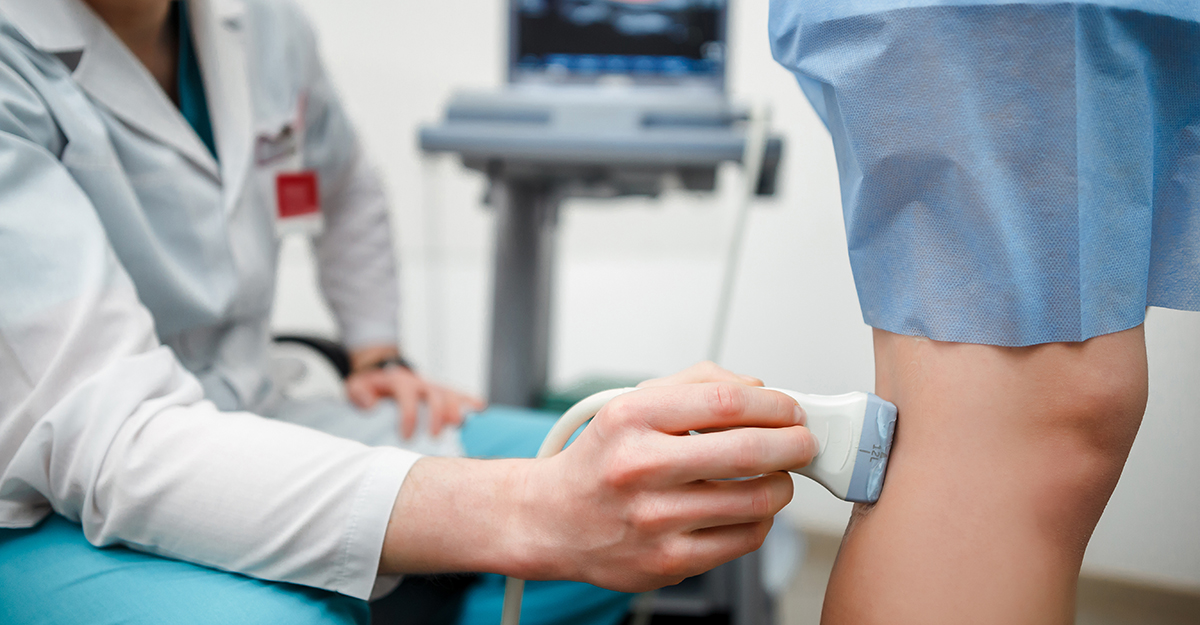
Vascular care focuses on diagnosing and treating conditions related to the blood vessels. Detecting varicose veins early is an essential part of effective vascular care. Specialists use a combination of physical examination and imaging techniques to assess vein health. During a physical exam, the doctor examines the legs while the patient is standing to check for visible signs of swelling or discoloration. Imaging tests, such as ultrasound, provide detailed information about blood flow and valve function. These assessments help the specialist determine the severity of the varicose veins and the best treatment plan.
Non-Surgical Treatments Offered by Vascular Care
Vascular care often begins with non-surgical treatments for varicose veins, especially in mild cases. Lifestyle changes play an important role in managing the condition. Doctors may recommend regular exercise, weight management, and elevating the legs to improve blood flow. Compression stockings are commonly used to reduce swelling and support vein function. These stockings apply gentle pressure to the legs, helping blood move back toward the heart and preventing further vein enlargement. Non-surgical treatments are effective in relieving symptoms and slowing the progression of varicose veins.
Minimally Invasive Procedures for Effective Treatment
For more severe cases, vascular care includes minimally invasive procedures that provide lasting results. Endovenous laser therapy (EVLT) and radiofrequency ablation (RFA) are popular options. These procedures use heat to close off damaged veins, redirecting blood to healthier veins. Another treatment is sclerotherapy, where a solution is injected into the vein to make it shrink and fade over time. These techniques are performed under local anesthesia, involve minimal discomfort, and allow patients to return to their normal activities quickly.
Benefits of Professional Vascular Care
Seeking professional vascular care ensures that varicose veins are treated safely and effectively. Specialists can create a personalized treatment plan based on the patient’s condition and lifestyle. Early detection reduces the risk of complications and improves the overall outcome. In addition, vascular care addresses both the health and cosmetic concerns of varicose veins, helping patients regain confidence and comfort.
Maintaining Healthy Veins After Treatment
Even after treatment, maintaining healthy veins is important to prevent recurrence. Vascular care includes guidance on long-term vein health. Patients are advised to stay active, maintain a healthy weight, and avoid prolonged sitting or standing. Wearing compression stockings as recommended by the doctor and attending regular follow-up appointments are also part of post-treatment care. These steps help keep the veins strong and reduce the chances of new varicose veins forming.
Conclusion
Vascular care plays a crucial role in detecting and treating varicose veins effectively. Through a combination of early diagnosis, non-surgical treatments, minimally invasive procedures, and lifestyle guidance, specialists can provide relief from symptoms and prevent complications. By seeking professional vascular care, patients not only improve their vein health but also enhance their overall well-being and quality of life.