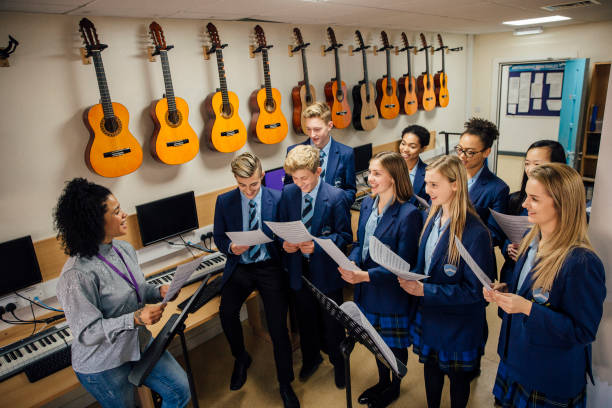
I didn’t plan on writing this like a serious guide. Honestly, I just wanted to talk about why Singing Classes are suddenly everywhere and why people like me, who once got shushed during morning prayers, are now actually paying to learn how to sing. Yeah, paying. In the first place.
It feels a bit wild, but also kind of necessary in today’s scroll-heavy life where everyone’s either humming reels or recording bathroom acoustics like it’s a studio.
I joined my first class thinking it would be like gym memberships. Pay once, go twice, disappear forever. But something weird happened. I stayed. Not because I sounded good. I didn’t. Still don’t some days. But the process felt… grounding. Like budgeting, actually. You don’t see results fast, but small habits add up.
It’s Not About Becoming a Rockstar, Calm Down
People online love to say things like “follow your passion” and then show a clip of someone magically singing perfectly after two lessons. That’s not real life. Most of us start flat. Some of us stay flat longer than we’d like. Singing is more like learning how to manage money when you’re bad at math. You don’t suddenly become Warren Buffett. You just stop making dumb mistakes.
A lesser-known thing nobody mentions is that around 60 percent of beginners quit within the first month. I read that in some random forum thread at 2 am, so take it with salt, but it sounds right. The throat hurts, confidence drops, and you realize your favorite singer is not human.
Voice Training Is Basically Fitness for Your Throat
One thing that surprised me is how physical singing actually is. It’s not just opening your mouth and hoping for the best. Breathing control, posture, muscle memory. My trainer once said, “Your voice is lazy, you have to wake it up.” Felt rude, but fair.
Financially, it’s similar to investing in a skill instead of stuff. You could buy another gadget or you could put that same money into learning something that stays with you. I still waste money on coffee though, so not judging anyone.
Social Media Made Singing Less Scary, Somehow
Scroll through Instagram or YouTube and you’ll see average people singing in cars, kitchens, staircases. No fancy lights. Some are amazing, some are just okay. And that’s kind of comforting. There’s this unspoken vibe online now that you don’t have to be perfect to be heard.
I’ve noticed more comments saying things like “this healed me” or “raw but real” instead of the usual troll stuff. Not always, but enough to matter. It makes signing up for Singing Classes feel less intimidating because you’re not chasing perfection anymore, just progress.
Mistakes Are Loud, And That’s Fine
I once cracked so badly during practice that even I laughed mid-note. The room went quiet, then everyone laughed too. It wasn’t cruel, just human. That moment oddly made me more confident. Like, okay, worst case already happened and I survived.
There’s a strange confidence boost that comes from learning something you’re bad at publicly. Most adults avoid that. We like safe zones. Singing classes push you out of that comfort bubble whether you like it or not.
The Money Part Nobody Talks About Properly
Let’s be real. People always ask, “Is it worth the money?” Same question asked about courses, gyms, therapy, literally everything. The answer is annoying but true. It depends on how you use it.
If you treat classes like a Netflix subscription, yeah, waste. If you actually show up and practice, the return is emotional more than financial. Less stress, better breathing, weirdly improved confidence during meetings. Didn’t expect that last one.
Also niche stat here, vocal training has been linked to reduced anxiety levels because of controlled breathing. Not saying it cures life problems, but it helps. Slightly. On bad days, slightly is enough.
Why Local Classes Feel Different Than Random Tutorials
Online tutorials are great, no hate. I still use them. But local, guided classes hit different. Someone corrects you in real time. Someone notices when you’re cheating a note. You can’t skip the hard parts.
That’s why platforms offering structured learning like Paatu Class stand out. There’s accountability. And honestly, a bit of pressure helps. Not toxic pressure. Just enough to keep you showing up.
Ending On a Slightly Off-Key Note
I’m not saying singing will change your life. It didn’t turn me into a performer or anything dramatic. But it made my evenings less noisy in my head. And that counts.
If you’re even slightly curious, especially if you think you “can’t sing,” that’s probably the exact reason to try singing Classes. Worst case, you get a funny story. Best case, you find a voice you didn’t know you had. And yeah, you might crack a few notes. Happens to the best of us.