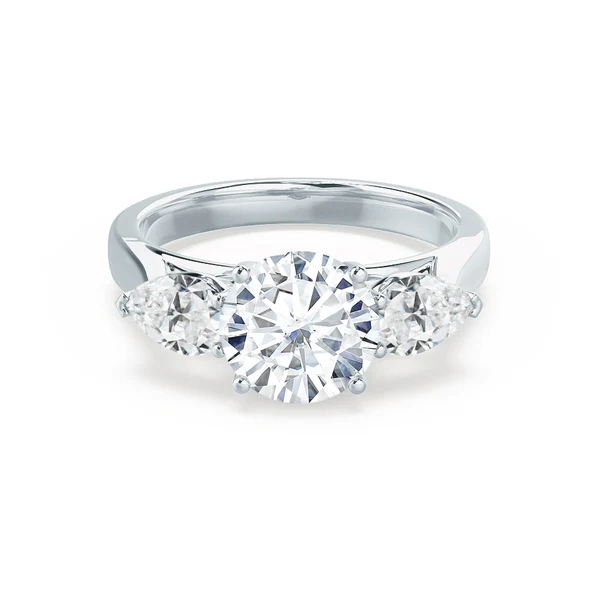
Symbolic design elements play an essential role in how people experience products, places, and even brands. In the world of contemporary craftsmanship and fine design, names like lily arkwright are increasingly associated with thoughtful choices that blend visual simplicity with deeper meaning. Symbols, whether subtle or prominent, carry with them emotional stories that speak to identity, memory, and shared cultural understanding. This is why they endure, and why designers continue to employ them as powerful communication tools.
At their core, symbolic elements operate through association. Over time, certain shapes, colors, and motifs become linked with ideas, values, or emotions. A simple heart shape may evoke feelings of affection; a circle can represent continuity; a leaf motif can suggest growth or renewal. Designers carefully leverage these associations so that even a small detail can convey a message more directly than a paragraph of text. While the viewer may not consciously dissect the meaning of every symbol encountered, the response is often immediate and intuitive.
Another reason symbolic design elements possess long lasting emotional weight is their connection to personal memory. Humans attach meaning to objects based on lived experience. A pattern reminiscent of a childhood home, a color tied to a significant life event, or a geometric form associated with a cultural tradition can all stir powerful emotions. Designers who understand this psychology are able to craft pieces that feel familiar and comforting even when the viewer cannot explain why. This connection between personal memory and visual form is one of the key reasons symbols maintain their impact across generations.
Cultural symbolism also strengthens the emotional resonance of design. Many symbols have meanings that span centuries or even millennia. A stylized sun, for example, has appeared in countless civilizations as a sign of warmth, life, or enlightenment. When such symbols are integrated into modern design, they carry with them layers of inherited significance. While the interpretation may vary slightly from one culture to another, the underlying emotional tone remains similar, giving the design a universal appeal. This cultural continuity allows symbolic elements to survive beyond passing trends, grounding them in a shared human experience.
Symbolic design elements also help create a sense of identity. Whether used in brand logos, architectural spaces, jewelry, or digital interfaces, symbols can instantly communicate values or aesthetics. A designer might choose a minimalist motif to express clarity and sophistication, or a hand drawn illustration to suggest warmth and authenticity. This visual shorthand helps people immediately understand what a brand or object represents, fostering stronger emotional connections. When individuals resonate with that identity, the symbol becomes part of their own self expression.
Another reason symbols are emotionally enduring is their ability to evolve. While rooted in tradition, symbols are not static. Designers often reinterpret classic motifs to reflect contemporary attitudes, social values, or emerging trends. This blending of old and new allows symbols to remain relevant while honoring their origins. Through reinterpretation, a symbol can take on new layers of meaning, appealing to both historical appreciation and modern sensibilities.
Ultimately, symbolic design elements resonate because they speak to the human need for meaning. People naturally seek patterns, stories, and emotional cues in the world around them. When design taps into this instinct, the result is not only visually appealing but also deeply affecting. Whether in fine jewelry, architecture, digital products, or everyday objects, symbolic elements provide a bridge between the tangible and the emotional. This enduring connection is what gives symbolic design its lasting emotional weight.