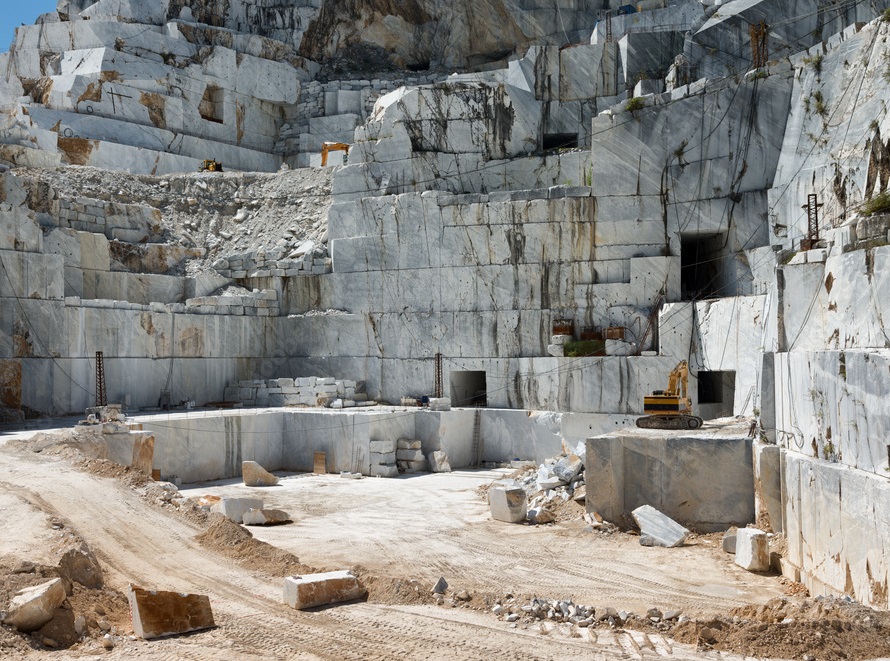
I still remember the first time I saw italian statuario marble in real life, not Pinterest-perfect, not filtered for Instagram. It was in a half-done villa where the lights weren’t even installed properly. And still, that slab looked unfairly good. Like that one friend who looks good even in passport photos. I didn’t know all the technical stuff back then, just knew this stone felt expensive in a quiet, smug way. Not loud luxury, more like old-money silence.
People online love throwing the name around. On Instagram reels you’ll see captions like “statuario hits different” or “if it’s not statuario, don’t even call it marble.” A bit dramatic, but also… not totally wrong.
Why everyone suddenly wants it
Some marbles scream for attention with crazy veins all over the place. Statuario doesn’t. It’s more controlled, calmer. White base, bold but clean grey veins, spaced out like they actually thought about where to go. Designers say it’s “balanced.” I just say it doesn’t give you a headache when you look at it too long.
There’s also this weird flex factor. Most people don’t know the difference between Carrara, Calacatta, and Statuario. But the ones who do, they really do. It’s like wine snobs, but for stone. You casually mention statuario at a site meeting and suddenly people assume you know your stuff.
One lesser-known thing, and I didn’t even believe this until a supplier explained it to me twice, is that statuario is rarer than Carrara. Like, way rarer. Only a small percentage of blocks from the quarries actually qualify as true statuario. That’s part of why prices jump so fast without warning.
Not as “perfect” as Instagram makes it look
Here’s something people don’t talk about much. Statuario can be moody. Some slabs look insane, others are just okay. Same quarry, same name, totally different vibe. I’ve seen clients get disappointed because they expected Pinterest magic on every single tile. That’s not how natural stone works, sadly. It’s more like dating. You need to choose carefully and not rush it.
Also, maintenance. Yeah yeah, it’s marble, it stains. I know everyone knows this already, but people still act shocked when lemon juice leaves a mark. If you want something you can spill wine on every weekend without stress, this stone might test your patience. Worth it? For many, yes.
How people actually use it, not the catalog version
Most brands show statuario in massive mansions with sunlight pouring in from seven directions. Reality is different. I’ve seen it work beautifully in small apartments too, especially in kitchens where it becomes the main character. One friend used it only for the island top, nothing else. Smart move. Like wearing one expensive watch instead of full designer outfit.
Bathrooms are another favorite, but only when people don’t overdo it. Floor to ceiling statuario everywhere can feel cold, almost hospital-ish. Mixing it with warmer textures like wood or brushed brass makes a big difference. This isn’t design school talk, just stuff you notice after walking into enough homes.
The money part, explained without finance jargon
Buying statuario is a bit like buying crypto in 2017. Prices fluctuate, availability is unpredictable, and everyone tells you “buy now or regret later.” Except this actually sits in your house and looks pretty.
On average, statuario costs noticeably more than standard white marbles. Sometimes 30–40% more, sometimes double. Depends on veining, slab size, and honestly, timing. I’ve seen prices change in a month because one big project somewhere in Europe booked half the quarry output. Sounds fake, but it happens.
A niche stat I came across recently said less than 5% of extracted white marble blocks are graded as premium statuario. That explains a lot. Scarcity isn’t marketing fluff here.
Internet hype vs real-life experience
On Reddit, people argue endlessly about whether statuario is “overrated.” On TikTok, it’s worshipped. In real life, it sits somewhere in between. It’s not magic stone that fixes bad design, but it does elevate good design effortlessly.
Personally, I think its biggest strength is aging well. Trendy stones come and go. Five years later, people cringe. Statuario doesn’t embarrass you later. Even if tastes change, it still looks… respectable. Like a white shirt that never goes out of style.
Mistakes I’ve seen people make (and yeah, I’ve made one too)
One common mistake is choosing statuario for high-traffic floors without proper finish. Polished looks great, but honed can save you from seeing every scratch and footmark. Another mistake is not checking slab consistency. Two slabs side by side can look like cousins, not siblings.
I once recommended a slab without seeing it under proper lighting. Big mistake. Under warm lights, veins looked heavier than expected. Client wasn’t happy, and honestly, I learned my lesson there.
Is it actually worth the hype
If you’re chasing trends, probably not. If you like materials that quietly show quality without screaming, then yes. italian statuario marble isn’t for everyone, and that’s kind of the point. It rewards patience, good taste, and a bit of care.
At the end of the day, stone choices are emotional, not logical. People justify them later with specs and durability talk. You either feel it or you don’t. And when you do feel it, you end up coming back to italian statuario marble even after considering twenty “practical” options. That’s just how it goes.