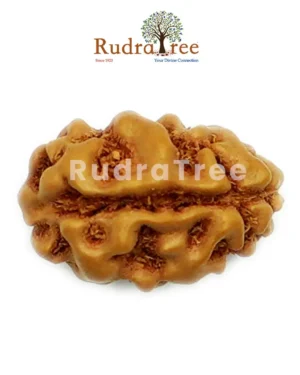
I still remember the first time I seriously heard about Ek Mukhi Rudraksha Sahakara Nagar from a chai shop conversation. Not YouTube, not some flashy ad, just two guys arguing whether it actually works or if it’s just another spiritual flex thing people post on Instagram. One of them said his uncle wears it and swears his business stopped bleeding money. The other guy laughed and said placebo. Honestly, that pretty much sums up the internet too. Half belief, half sarcasm.
But the funny thing is, this bead has survived centuries of doubt. Kings wore it, yogis hid it, and now regular office people quietly Google it at 2 a.m. when life feels stuck. Sahakara Nagar in particular has become one of those places where people actually go offline to ask real questions instead of trusting random reels.
Why people even care about this one bead
Here’s my personal take. If Rudraksha beads were students in a classroom, this one would be the topper that everyone talks about but hardly anyone actually knows personally. Ek Mukhi is rare, expensive, and surrounded by a lot of half-truths. Some sellers hype it like it’ll solve all your problems by Monday. Others scare you like if you wear it wrong, the universe will personally be offended.
From what I’ve seen around Bangalore, especially near Sahakara Nagar temples and spiritual stores, people don’t buy it casually. It’s not like buying a crystal bracelet because it matches your outfit. It’s more like adopting a pet. You think a lot before you do it.
There’s also this quiet trend online where people don’t openly talk about owning it. No big captions. No hashtags. Almost like they don’t want to jinx it. That silence itself says something.
Money, faith, and that awkward conversation at home
Let’s be honest for a second. The price is usually what stops people. I’ve overheard couples debating it like they’re discussing buying a fridge. One person saying it’s an investment in spiritual growth, the other asking if EMI is available. That’s real life.
A lesser-known thing most blogs skip is that not all Ek Mukhi beads look the same. The Nepal ones, the South Indian varieties, even crescent-shaped ones exist. Most people don’t know this until they talk to someone who’s not rushing them to pay. That’s where Sahakara Nagar kind of stands out. The conversations feel slower, more grounded, less salesy.
There’s also this belief floating around WhatsApp groups that wearing it amplifies whatever mindset you already have. So if you’re constantly stressed or negative, it won’t magically fix that. It’s more like giving a loudspeaker to your inner voice. That thought alone scares some people away, I think.
My slightly awkward visit and what stuck with me
I once tagged along with a friend who was seriously considering it. I wasn’t planning to buy anything, just moral support. The shop owner didn’t even push. He actually told my friend to come back after thinking for a week. That surprised me. In today’s world, that’s rare.
He said something that stayed with me. Wearing it won’t make you special overnight. It just makes you more aware of your own nonsense. That’s not exactly a great sales pitch, but it felt honest.
Also, small detail, but interesting. People who already meditate or have some routine seem to adapt to it better. Random stat I heard from a local sadhu, could be exaggerated, but he said most people who remove it within a month had zero daily discipline. No prayer, no silence, nothing. Just wore it like an accessory.
Online noise versus offline reality
If you scroll Twitter or Reddit long enough, you’ll find people mocking spiritual items, calling them scams. And yeah, some sellers definitely ruin the reputation. Fake beads, lab-made stuff, exaggerated claims. That’s why physical places still matter. Especially neighborhoods like Sahakara Nagar where word-of-mouth still holds value.
Instagram comments are funny though. Someone will say “bro it changed my life” and another will reply “placebo effect lol”. The truth is probably somewhere in between. Faith plus mindset plus timing. Not very scientific, but then again, life rarely is.
One more thing people don’t mention much. Ek Mukhi isn’t recommended for everyone, at least traditionally. That idea alone goes against modern marketing logic. Imagine a product that openly says it’s not for all customers. Weird, right.
Closing thoughts that aren’t really a conclusion
By the time you start seriously looking into Ek Mukhi Rudraksha, you’re usually already in some kind of transition. Career stuck, personal loss, burnout, or just that quiet feeling that something’s off. People in Sahakara Nagar don’t really talk about miracles. They talk about stability, clarity, less mental noise. Smaller promises, maybe more realistic ones.
I won’t say it’s magic. I won’t say it’s fake either. It sits in that strange middle space where belief, culture, and personal effort overlap. And honestly, that’s where most powerful things in life seem to exist.