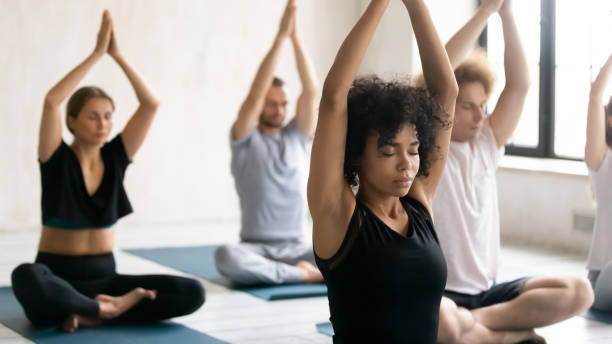
I remember the first time I seriously googled 200 hour Meditation Teacher Training. It wasn’t during a calm, incense-lit morning like Instagram wants you to believe. It was late night, phone at 2 percent, brain overthinking everything from career to why my back hurts even when I sleep wrong. Funny thing is, a lot of people land here like that. Not because they want to “teach” meditation right away, but because life feels noisy and you’re lowkey tired of pretending everything is fine.
Meditation as a concept gets hyped online, but also misunderstood. Some people think it’s all about sitting still and magically becoming peaceful. Others think it’s only for monks or that one friend who suddenly started drinking celery juice and posting sunrise reels. Reality is messier. And honestly, that’s what makes proper training interesting.
Why this path feels different than random YouTube videos
YouTube meditation videos are great, no hate. I still use them when I’m too lazy to guide myself. But learning meditation properly is kind of like learning to cook. Watching someone chop onions doesn’t mean you can balance flavors when guests are over. A structured training gives context. You learn why certain techniques work, why some days your mind feels like a toddler on sugar, and why that’s normal.
One thing that surprised me when I started reading about teacher trainings is how much psychology sneaks in. Breath patterns, nervous system responses, even trauma awareness. Not many people talk about this part on social media, because it’s not aesthetic. But it matters. According to some lesser-known studies floating around wellness forums, consistency matters more than technique. Which is funny because most beginners obsess over “am I doing this right?” instead of just showing up.
The whole idea of teaching, even if you never do
Here’s a confession. Not everyone who does a teacher training actually wants to teach. And that’s okay. I know people who did it for personal growth, clarity, or just to unplug from their regular routine. One guy I met online said he went back to accounting after finishing. Still meditates daily though, which honestly feels like a bigger win.
Teaching meditation isn’t about sounding wise all the time. It’s more like holding space. Kind of like being the calm friend in a group chat who doesn’t overreact. Training helps you understand how to guide others without forcing your own experiences on them. That’s harder than it sounds.
Online chatter vs real experience
If you scroll through Reddit or wellness Twitter, you’ll see mixed opinions. Some people say teacher trainings are overpriced. Others say it changed their life. Both can be true. The internet loves extremes. What doesn’t get mentioned enough is how the environment, teachers, and even fellow students shape the experience.
I once read a comment saying, “Meditation training is like therapy but quieter.” I laughed, then realized it’s kind of accurate. Stuff comes up. Old habits, impatience, random emotions. You don’t suddenly become Zen. You become more aware of how un-Zen you already were. Slightly humbling, not gonna lie.
Money, time, and the real commitment
Let’s talk practical things, because spiritual bypassing is annoying. A 200-hour training is a real commitment. Time-wise, energy-wise, mentally. It’s not something you casually squeeze between Netflix episodes. And yeah, money matters. Think of it like investing in a long-term skill rather than a quick fix. Similar to learning a language. You don’t expect fluency in a week, but the foundation sticks.
A niche stat I came across in a wellness report (don’t quote me exactly) said people who complete structured meditation programs are more likely to maintain a daily practice after six months compared to app-only users. Makes sense. Accountability works.
The not-so-glamorous parts people skip
Meditation isn’t always peaceful. Some days it’s boring. Some days your knees hurt. Some days you question why you signed up at all. And sometimes the teacher says something that hits too close to home and you pretend to adjust your seat so no one sees your face.
But those moments matter. They teach patience, self-observation, and how to sit with discomfort without immediately reacting. In a world where we refresh feeds every five seconds, that’s kind of revolutionary.
What stays with you long after
Even if you never teach a single class, the way you listen changes. You pause more. You react less. You notice patterns. It’s subtle. Friends might not even comment, but you’ll feel it. Like realizing you don’t need to fill every silence. That’s rare these days.
People online love talking about “finding purpose.” Meditation training doesn’t hand you purpose wrapped in sage smoke. It just clears some of the mental clutter so you can hear yourself better. Sometimes that leads to teaching. Sometimes it leads somewhere else entirely.
Ending where most people actually begin
By the time someone reaches the end of researching a 200 hour Meditation Teacher Training, they’re usually already halfway there mentally. The curiosity is planted. The questions are louder. Whether it turns into a teaching path or just a deeper personal practice, that choice unfolds slowly. And honestly, that’s how it should be. Not rushed. Not perfect. Just real, like the practice itself.